Elegant Wedding Art: A Designer's Guide to Ornate Graphics
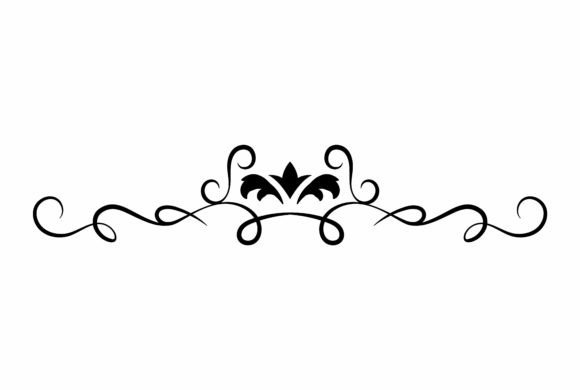
Finding the right visual element to convey sophistication and timeless beauty can be a challenge. When a project calls for a touch of classic elegance—think wedding invitations, luxury branding, or editorial design—the details matter. Enter the world of ornate design elements, specifically a striking black ornament clipart illustration that serves as a versatile cornerstone for countless creative endeavors. This isn't just a simple decoration; it's a piece of filigree drawing crafted to add immediate depth and character to your work.
Understanding the Visual Character of Filigree Design
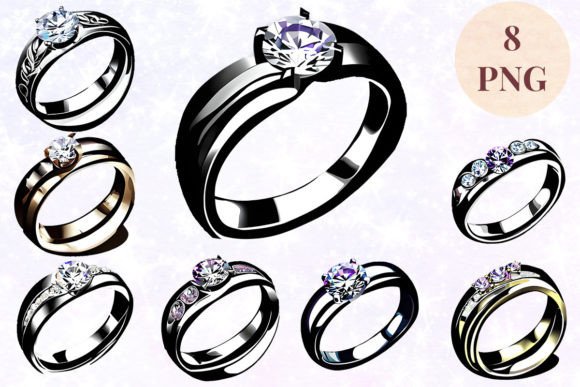
At its core, this style of ornamental artwork is defined by its intricate, flowing lines and symmetrical patterns. The "black ornament clipart" descriptor hints at its primary form: a high-contrast, detailed graphic that mimics the look of hand-drawn engraving or delicate metalwork. Its personality is one of refined luxury, historical reference, and artistic craftsmanship. The visual appeal lies in its ability to fill space with purpose, guiding the viewer's eye and creating a focal point that feels both structured and organic. It’s the kind of design asset that communicates quality and attention to detail without saying a word, making it a powerful tool for establishing brand perception and visual hierarchy.
Practical Applications Across Creative Projects
The true value of such a design element is its adaptability. As noted, its usage examples are extensive, spanning both digital and physical realms. For designers and entrepreneurs, it’s a premium graphic that can elevate a brand identity from ordinary to memorable. Consider how this elegant wedding art could transform a simple business card into a keepsake, or how it could frame the title on a book cover, instantly signaling genre and tone to potential readers. In the realm of web design and social media graphics, it can break up text-heavy layouts, add visual interest to headers, or serve as a sophisticated background pattern.
For crafters and hobbyists, particularly those using cutting machines like a Cricut, the availability of vector formats (SVG, DXF) is crucial. This allows the intricate design to be scaled perfectly and cut cleanly from paper, vinyl, or cardstock, opening up possibilities for custom wedding decorations, scrapbooking embellishments, and personalized stationery. The graphic’s utility extends into packaging design, where a subtle filigree border can convey a product's artisanal or luxury quality. Similarly, in editorial design, it can be used as a decorative drop cap, a section divider, or a page footer element to unify a publication's aesthetic.
Key Formats and Technical Specifications
Understanding the technical side ensures you can use the asset effectively. The provided graphic is a high-resolution file, sized at 4936x3319 pixels at 300 DPI. This specification is vital for print projects, guaranteeing that the design remains sharp and clear even when reproduced at larger sizes, such as on banners or posters. The inclusion of multiple file formats—PNG, SVG, EPS, JPG, AI, and DXF—caters to a wide range of software and workflows. The PNG with a transparent background is ideal for overlaying in Photoshop or Illustrator, while the vector formats (SVG, EPS, AI) are essential for infinite scalability and editing in programs like Adobe Illustrator or GIMP. This flexibility makes it a truly commercial-ready font and graphic resource.
Integrating Ornate Elements into Your Design Strategy
When incorporating a detailed element like this into your work, strategic thinking is key. It’s rarely about using it as a standalone piece, but rather as part of a cohesive visual language. Here are some practical considerations:
- Brand Consistency: If you use this ornament in your logo design, consider how its style (e.g., Art Nouveau, Baroque, Victorian) aligns with your brand's personality. Use it sparingly but consistently across touchpoints—website headers, email signatures, packaging—to build recognition.
- Visual Hierarchy and Readability: An ornate design can compete with text. Use it to frame key information, like a business name or a product feature, but ensure there is ample white space. Pair it with clean, legible typefaces—a strong sans serif font for body text often provides a perfect counterbalance to the ornament's complexity.
- Font Pairing Synergy: This is where modern typography meets classic ornament. A bold, geometric sans serif can create a striking contemporary contrast. A refined serif font can enhance the traditional feel. A simple script font can complement the ornament's flow without overwhelming the design. Test pairings in context to see what achieves the desired mood.
- Project-Specific Evaluation: Not every project suits ornate design. Ask: Does this element add meaning, or is it merely decoration? For a minimalist tech startup, it might feel out of place. For a luxury jewelry brand, a bespoke wedding stationery service, or a historical novel, it could be the perfect fit. Always evaluate the project's audience and goals.
Licensing and Commercial Use
For designers, marketers, and small business owners, understanding usage rights is non-negotiable. The asset described is presented as a digital file for purchase, which typically includes a license for both personal and commercial projects. This means you can use the design in products you sell (like invitations or printed merchandise), in client work, and in your own branding materials. Always review the specific license terms provided with the download to ensure compliance, especially for large-scale print runs or specific resale contexts.
In the landscape of creative design, having a library of high-quality, versatile assets is a significant advantage. A well-crafted ornamental design element, like this black filigree clipart, is more than just a pretty picture. It’s a strategic tool for adding depth, establishing tone, and creating professional, engaging visual communication that resonates with your audience. By understanding its characteristics, applications, and technical nuances, you can harness its potential to elevate your next project from simple to sophisticated.